From Checkout to Webhooks: The Subscription Lifecycle Most Apps Get Wrong
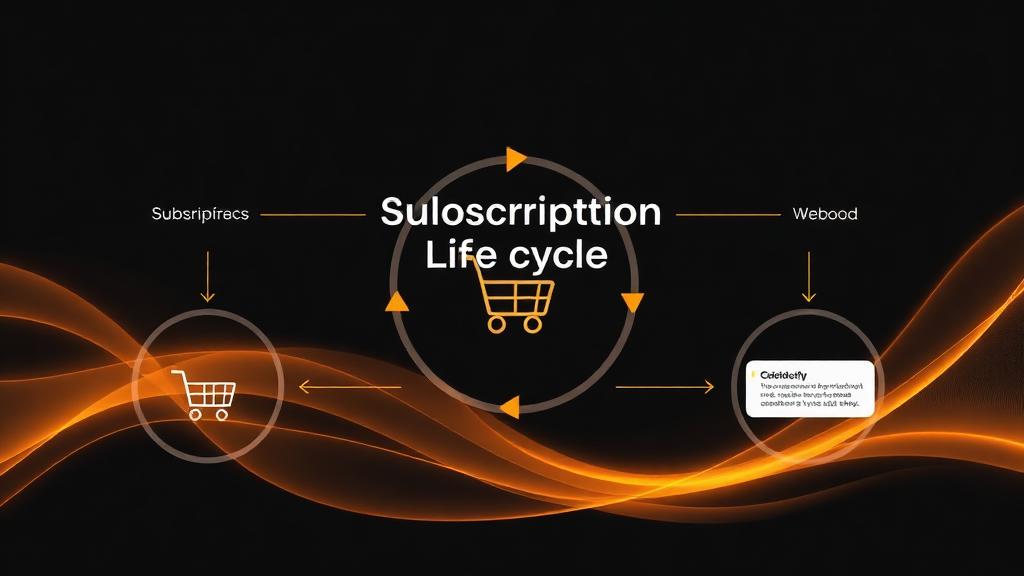
The Checkout Button Is Just The Beginning
User clicks "Subscribe." Payment succeeds. Done, right?
Not even close.
The Full Lifecycle
A subscription isn't an event—it's a state machine. Here's what actually happens:
1. Checkout Initiated
User starts checkout. You create a session with success/cancel URLs.
2. Payment Processing
Gateway attempts to charge. Could succeed, fail, or require authentication.
3. Subscription Created
Payment succeeded. Subscription is now active (or trialing, if you have a trial period).
4. Webhook Delivery
Your app receives a webhook. You update your database. Hopefully.
5. Entitlements Granted
Customer can now access paid features. Your app needs to know this immediately.
6. Ongoing Lifecycle
Where Apps Go Wrong
Not handling webhooks properly: Webhooks can arrive out of order, be duplicated, or fail. Your code needs to handle all three.
Assuming success: "Payment succeeded" doesn't mean "subscription is active." There are intermediate states.
Ignoring failed payments: A subscription in "past_due" status is still technically active. Do you know when to cut off access?
No idempotency: If a webhook is delivered twice, does your code create duplicate records?
State desync: Your database says "active," Stripe says "canceled." Now what?
The Solution
A proper billing system handles this complexity for you:
The Bottom Line
Subscription lifecycle management is deceptively complex. Most teams underestimate it until they're debugging payment issues in production.
Build on a system that's already solved these problems.